

Libreville / Geneva — 1 September 2026
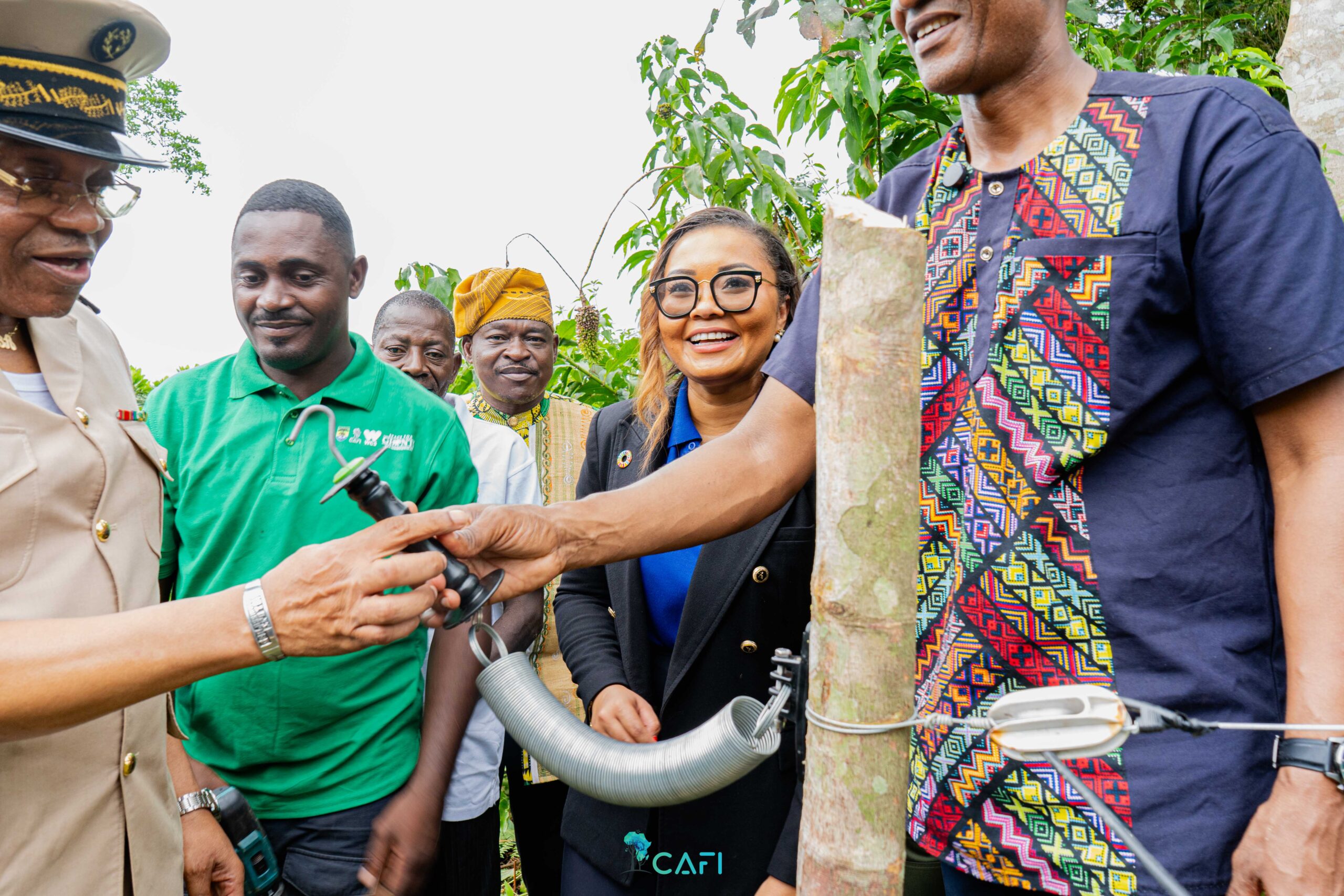
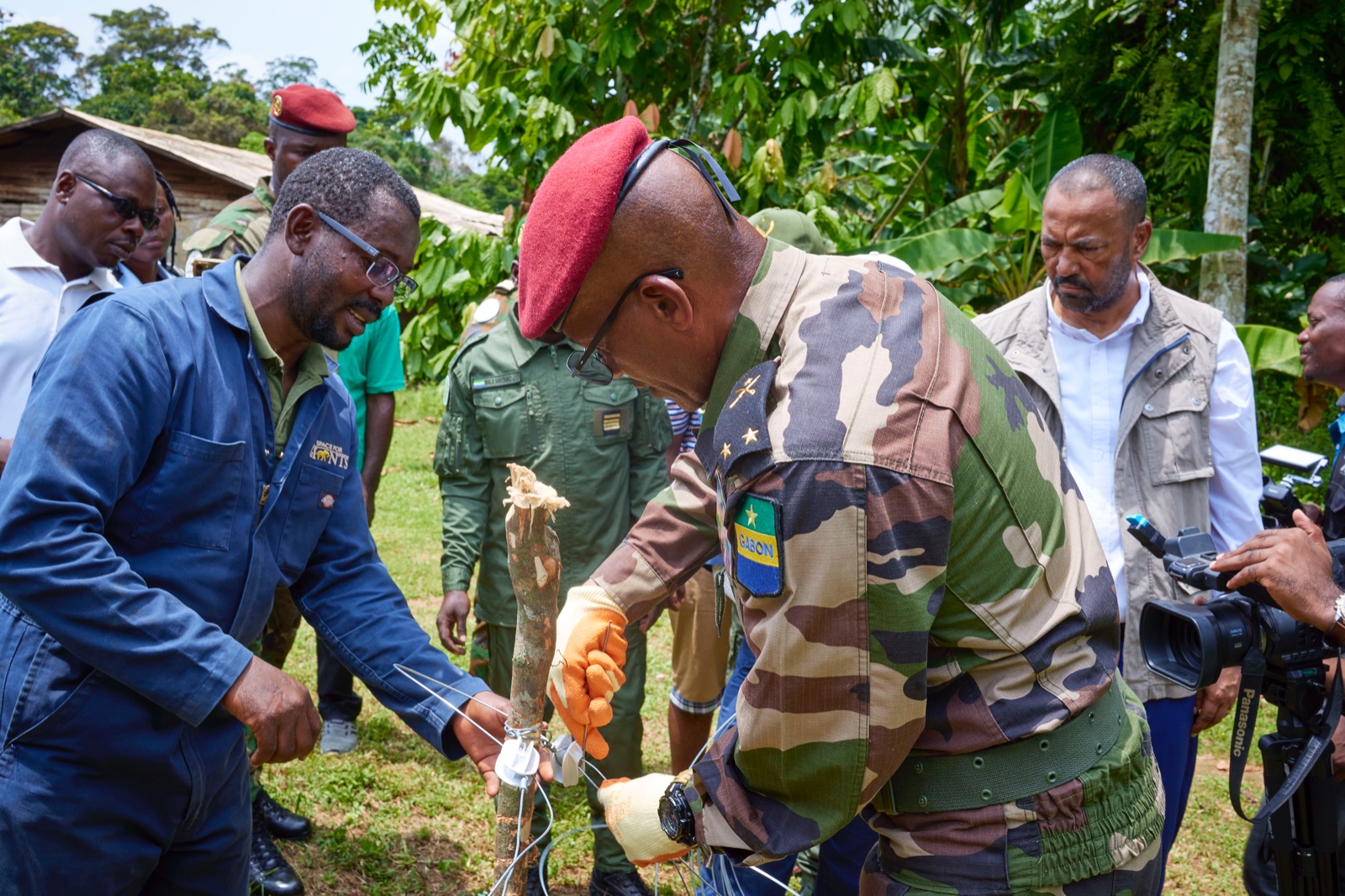
Implemented by the Wildlife Conservation Society (WCS), in collaboration with Gabon’s Ministry of Water and Forests through the Directorate General of Wildlife and Protected Areas, and with technical support from Space for Giants, the project “Peaceful Human-Elephant Coexistence in Gabon” deploys mobile electric fences to help farming communities protect their crops from elephant incursions.
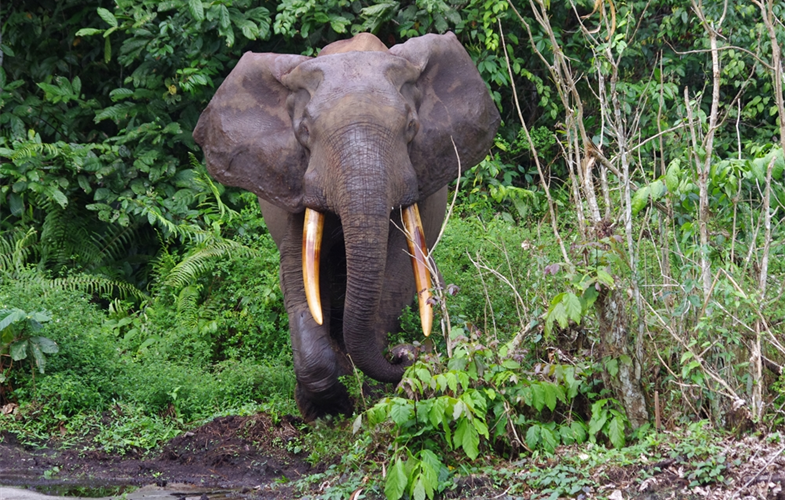
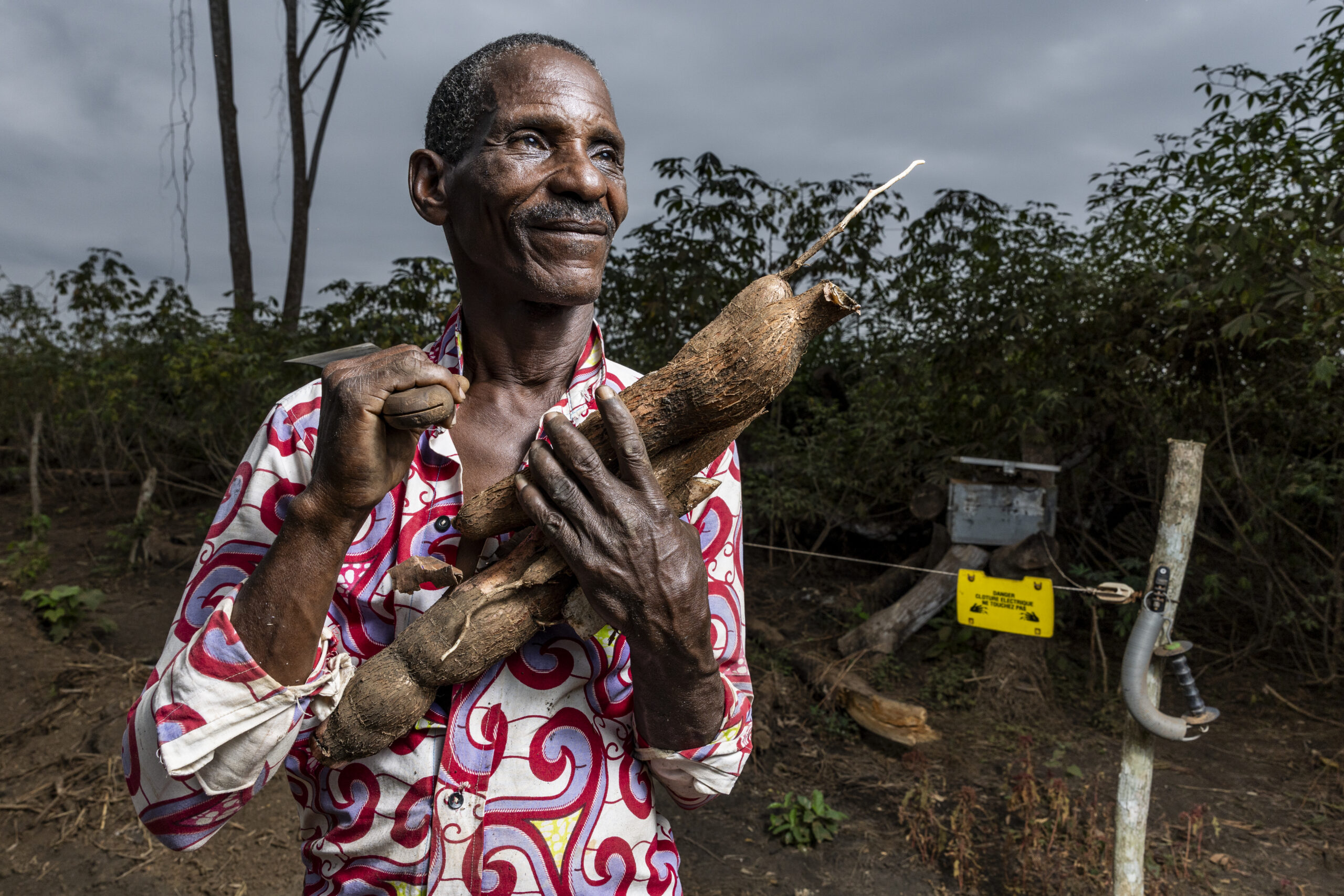
The project addresses a national priority and an urgent challenge: crop losses caused by elephants, which threaten community food security, household incomes, and local support for wildlife conservation.
As part of its performance-based programming approach, CAFI commissioned an independent verification conducted by SCS Global Services, an ISO standards-based verification body, which confirmed the reported results, including:
- Deployment of 1,151 mobile electric fences, protecting 2,821.20 hectares of agricultural land;
- 18,327 direct beneficiaries;
- A 91.75% success rate in preventing attempted elephant intrusions.
Document reviews, field visits in three provinces (Estuaire, Moyen-Ogooué, and Woleu-Ntem), interviews with project staff, government representatives, field agents, and beneficiary farmers, as well as geospatial analysis and data recalculations, were conducted to provide assurance regarding the project’s performance.
A Landmark Example of Performance-Based Programming
Future CAFI disbursements to agricultural, forestry, and land-use projects will increasingly be informed by this type of verification. The Human-Elephant Coexistence Project in Gabon exemplifies this approach: results are not only reported by projects but are also independently and rigorously verified.
“For CAFI and its partners, this independent verification marks an important milestone toward results- and performance-based programming. It strengthens our confidence that resources are delivering real benefits for both people and nature.”, declared Berta Pesti, Head of the CAFI Secretariat
Independent verification indeed plays an increasingly important role in CAFI’s decisions regarding project disbursement and renewal, helping ensure that resources are allocated to interventions capable of demonstrating measurable results on the ground.
Protecting Livelihoods While Promoting Coexistence
Human-elephant conflict is a major challenge across many forest landscapes. When elephants enter agricultural fields, they can destroy crops, jeopardize household food security, and create tensions between communities and wildlife conservation efforts.
The project addresses this challenge by providing mobile electric fences to farming communities, alongside training, monitoring tools, and data collection systems to assess their effectiveness.
The fences are designed to deter elephants without harming them. The verification report confirmed the technical components of the system, including solar panels, charge controllers, batteries, energizers, lightning protection devices, gates, and electrified wires. The system emits brief, non-lethal pulses that discourage elephants from entering protected fields.
By safeguarding crops, the project helps secure rural livelihoods and reduces the incentive for farmers to abandon damaged fields and clear new agricultural land, thereby supporting CAFI’s broader objectives of sustainable land use, forest protection, and improved resilience of local communities.
Strengthening Accountability and Learning
The verification process also identified areas for continuous improvement, including data traceability, quality assurance of spatial data, accessibility of beneficiary contracts, monitoring of fence maintenance, and strengthening the database on elephant interactions.
These observations did not materially affect the positive verification outcome but provide a clear basis for continuous improvement.
For CAFI, independent verification is therefore not only a means of confirming results, but also a tool for strengthening project management, improving monitoring systems, and generating lessons for future programming.
“This project illustrates what performance-based programming can look like in practice: independently verified results, enhanced accountability, and tangible benefits for rural communities, forests, and wildlife,” concluded Bruno Guay, Programme Manager at the CAFI Secretariat.